Self-care is an important part of maintaining a healthy and balanced lifestyle. Between work, family responsibilities, personal goals, and everyday stress, women often forget to take care of their own needs. The good news is that self-care does not have to be expensive or time-consuming. Small daily habits can help you feel more refreshed, confident, and energized.
In this article, we will explore ten simple self-care habits that can support your physical health, mental well-being, and overall lifestyle.
1. Start Your Morning with a Healthy Routine
The way you begin your morning can influence the rest of your day. Instead of immediately checking your phone, take a few minutes to stretch, drink a glass of water, and prepare for the day ahead.
A simple morning routine might include opening the curtains for natural light, making your bed, and enjoying a nutritious breakfast. Choose habits that fit your schedule and make your mornings feel less stressful.
2. Stay Hydrated Throughout the Day
Water plays an essential role in normal body functions, including temperature regulation and digestion. Drinking enough water throughout the day can also help prevent dehydration-related fatigue and headaches.
Keep a reusable water bottle nearby and drink regularly. Your hydration needs may vary depending on your activity level, climate, and overall health.
3. Follow a Simple Skincare Routine
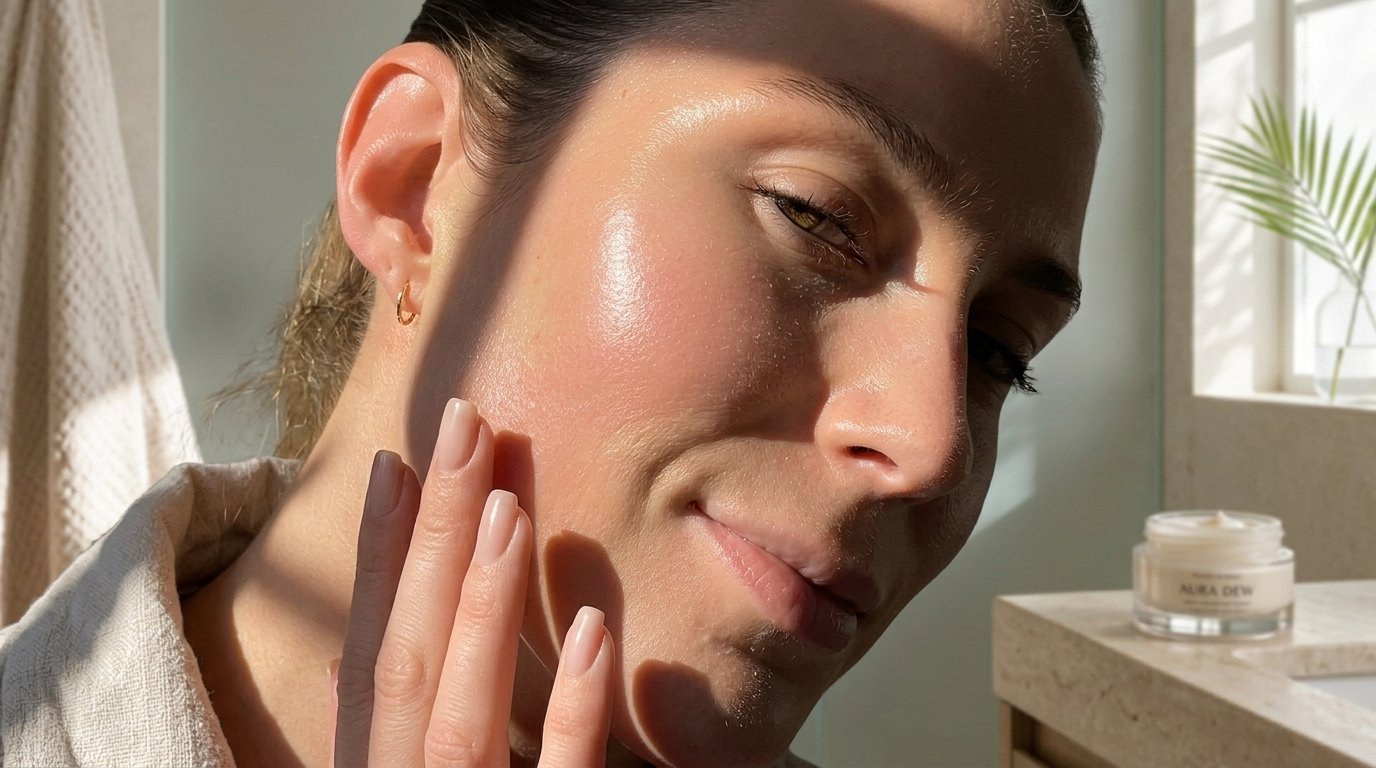
Healthy-looking skin does not always require a large collection of beauty products. A consistent skincare routine can be simple and effective.
Consider these basic steps:
- Cleanse: Use a gentle cleanser suitable for your skin type.
- Moisturize: Apply a moisturizer to help maintain your skin barrier.
- Protect: Use broad-spectrum sunscreen with SPF 30 or higher during the day.
Introduce new products gradually and pay attention to how your skin responds. If you experience persistent irritation or other skin concerns, consider consulting a qualified dermatologist.
4. Make Time for Regular Physical Activity
Exercise supports physical health, mobility, strength, and emotional well-being. You do not need an expensive gym membership to become more active.
Walking, cycling, dancing, stretching, and home workouts are practical options. Start with an activity you enjoy and build a routine that fits your fitness level.
Consistency matters more than trying to do everything perfectly from the beginning. If you have a health condition or are returning to exercise after a long break, seek professional guidance when needed.
5. Eat Balanced and Nutritious Meals
A balanced diet can help support energy levels and overall health. Try to include a variety of fruits, vegetables, whole grains, protein sources, and healthy fats in your meals.
Preparing meals at home can also make it easier to choose ingredients that meet your needs. Rather than following restrictive diets or skipping meals unnecessarily, focus on developing sustainable eating habits.
Remember that healthy eating is about your overall pattern of nutrition, not about making every meal perfect.
6. Prioritize Quality Sleep
Sleep is essential for physical recovery, concentration, and emotional health. Adults generally need at least seven hours of sleep each night, although individual needs can vary.
To improve your sleep routine:
- Go to bed and wake up at consistent times.
- Reduce bright screens before bedtime.
- Keep your bedroom comfortable and quiet.
- Avoid consuming caffeine late in the day if it affects your sleep.
If you regularly struggle with sleep or feel excessively tired despite getting enough rest, consider speaking with a healthcare professional.
7. Take Breaks from Digital Devices
Constant notifications, social media scrolling, and screen time can make it difficult to relax. Taking intentional breaks from digital devices gives you an opportunity to focus on other activities.
Try putting your phone away during meals, taking a short walk without checking notifications, or setting aside time for reading. You can also review your social media habits and unfollow accounts that make you feel stressed or discouraged.
The goal is not to eliminate technology but to develop a healthier relationship with it.
8. Practice Relaxation and Mindfulness
Everyday responsibilities can sometimes feel overwhelming. Relaxation techniques may help you manage stress and become more aware of your thoughts and feelings.
You might try deep breathing, journaling, meditation, gentle stretching, or spending time outdoors. Even a few quiet minutes can provide a useful pause in a busy day.
Find an approach that feels comfortable rather than treating relaxation as another task you must complete perfectly.
9. Make Time for Yourself
Personal time is not selfish. It can help you reconnect with your interests and maintain a healthier balance between responsibilities and relaxation.
Read a book, listen to music, enjoy a beauty routine, work on a hobby, or spend time with people who make you feel supported. You can also practice setting reasonable boundaries when your schedule becomes too demanding.
Self-care looks different for everyone, so choose activities that genuinely make you feel refreshed.
10. Build Healthy Habits Gradually
One of the biggest mistakes people make when improving their lifestyle is trying to change everything at once. An ambitious routine may feel exciting initially but become difficult to maintain.
Instead, choose one or two realistic habits and practice them consistently. For example, you could begin with a ten-minute walk each day or establish a regular bedtime.
Once those habits become more natural, introduce additional changes. Progress does not need to be dramatic to be meaningful.
Final Thoughts
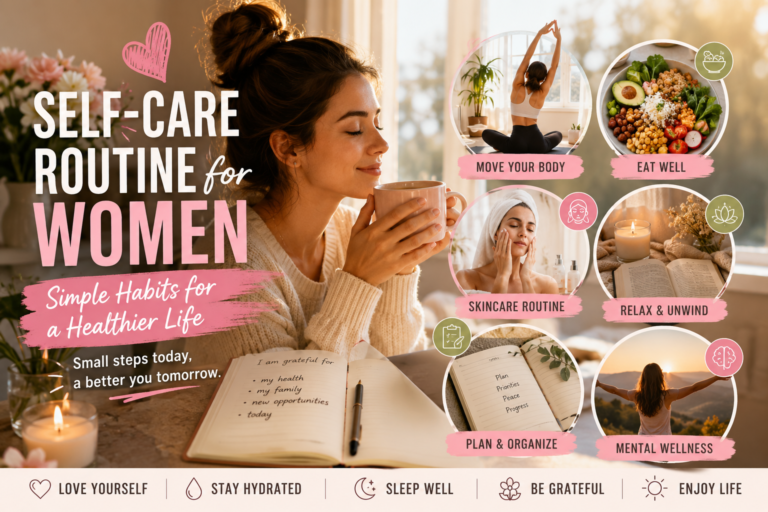
A healthier lifestyle begins with small, consistent choices. Drinking enough water, eating balanced meals, moving your body, protecting your skin, getting sufficient sleep, and making time for relaxation can all contribute to your overall well-being.
You do not need to follow every wellness trend or purchase expensive products to take care of yourself. Focus on habits that suit your needs, respect your body’s limits, and fit comfortably into your daily routine.
Most importantly, remember that self-care is personal. Start where you are, make gradual improvements, and give yourself room to grow.
Disclaimer: This article is for general informational and educational purposes only. It is not a substitute for professional medical advice, diagnosis, or treatment. Consult a qualified healthcare professional for advice specific to your needs.