
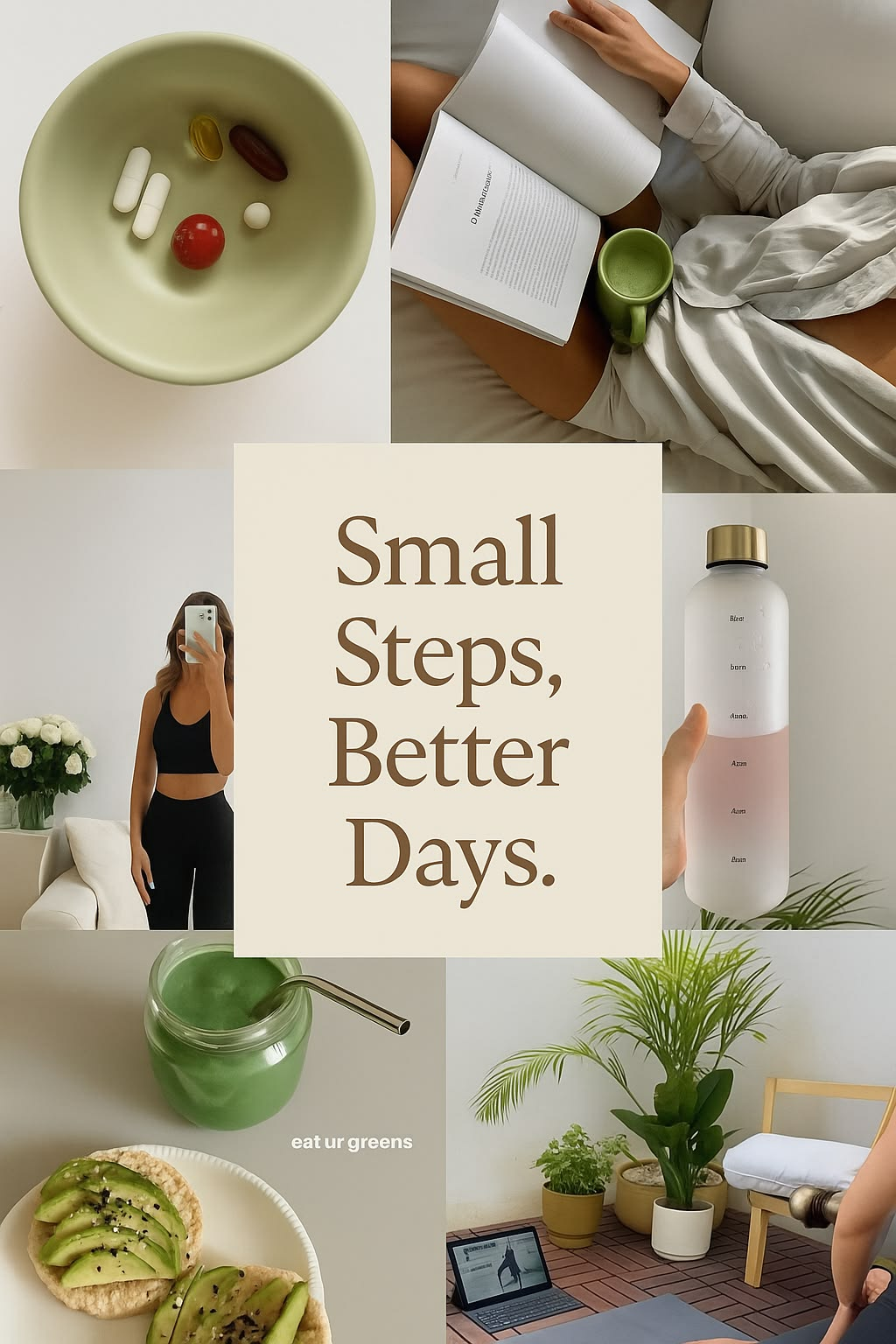
A wellness aesthetic can feel far away when a busy day turns exercise, meals, and self-care into separate chores. You may want more energy, less stress, or steady progress toward fitness goals, without adding another demanding project to your life.
The aim is not an elaborate makeover or a perfect schedule. A few habits that fit your real needs can support health and confidence, and give your goals a practical place in everyday life. Start small, then keep what feels useful.

Key Takeaways
- Begin with one habit you can repeat.
- Use regular daily moments as reminders.
- Choose movement that fits your space and energy.
- Keep meals familiar and flexible.
- Treat skincare and relaxation as personal care, not perfection.
A simple framework can help healthy choices feel manageable, even when the day gets crowded. First, it helps to understand what this approach means in ordinary practice.
What Does a Wellness Aesthetic Routine Look Like at Home?
A useful at-home routine is a small set of habits you can repeat across movement, food, and personal care. Habit stacking means attaching a small new habit to a regular activity or cue you already do. Keep the routine simple enough to return to on an ordinary day.
Build a routine from a few repeatable habits, not a long list of daily demands.
Aesthetic wellness can include physical, emotional, and spiritual well-being. At home, wellness practices may include mindfulness, meditation, exercise, healthy eating, skincare, adequate sleep, and personal hobbies. You do not need to adopt them all at once.
Start with repeatable daily anchors
Think of an anchor as a moment that already happens: waking up, making coffee, or finishing lunch. Attach one small action to it, such as a few stretches after coffee. This approach gives the habit a clear place without requiring a new block of time.
Choose anchors that match your schedule, not an imagined ideal day. If mornings are rushed, a lunch break or evening routine may work better. A holistic approach can still be modest: one movement habit, one dependable food choice, and one personal-care cue can form a useful start.
Keep appearance-focused care grounded
Everyday skincare and habits belong to your personal wellness routine. Professional aesthetic treatments are different: they are optional services performed by a qualified provider, not a requirement for health or well-being. Aesthetic wellness is about your broader approach to care, not a particular appearance.
Keep your goals personal and realistic. A routine may support a sense of balance, but it cannot promise specific changes in health, skin, or confidence. Begin by choosing one movement habit, then find a place for it in your regular day.
How Can You Fit Easy Movement Into a Normal Day?
Take a brisk walk during a work break, or fit in a short movement session at home. Small bouts count toward your weekly activity, and the U.S. guideline for adults is at least 150 minutes of moderate aerobic activity each week, plus muscle-strengthening activity on at least two days.
That guideline is a destination to build toward, not a pass-or-fail test. A 10-minute walk after a household task can be a useful start. Adjust activity to your ability, and get individualized guidance from a clinician if you have a health condition or movement limitation.
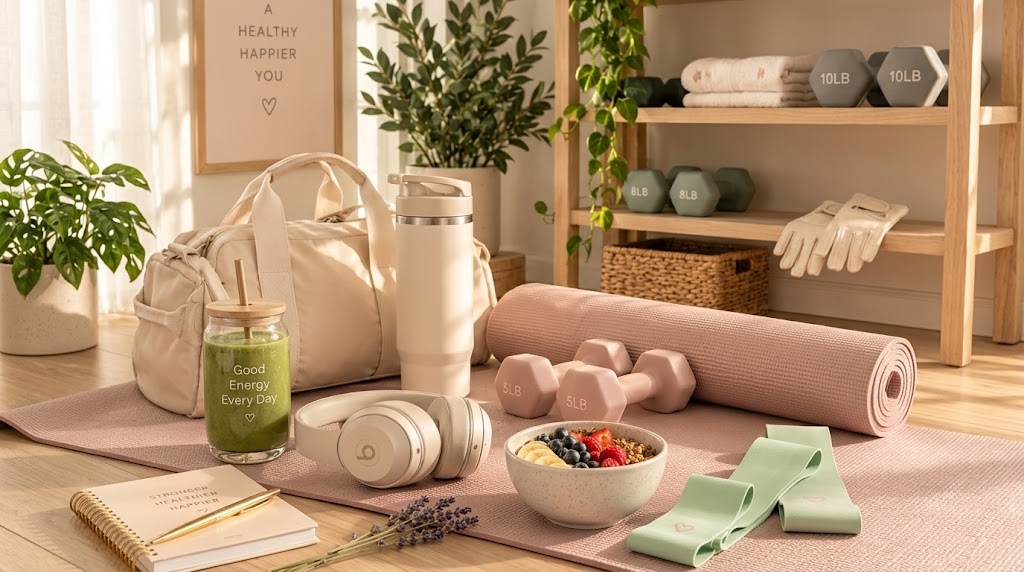
Pick movement that suits your space and energy
You can choose an indoor or outdoor option based on weather, privacy, and how your body feels. A clear patch of floor is enough for mobility or bodyweight work. The right choice helps you care for physical health without needing a special room or elaborate setup.
Use the starter sessions as a menu, not a strict schedule. Effort varies by pace, fitness, and the movements you choose. A gentle mobility session may suit a low-energy day, while a faster walk can raise your effort and support vitality.
| Movement option | Space needed | Starter session | Typical effort |
|---|---|---|---|
| Indoor or outdoor brisk walk | Open path or room | 10-30 minutes | Moderate |
| Mobility session | Clear floor area | 5-15 minutes | Gentle |
| Bodyweight strength | Small clear floor area | 10-20 minutes | Variable |
| Dancing | Living-room space | 10-20 minutes | Light to vigorous |
Build a flexible weekly rhythm
Spread movement through the week in a way that leaves room for work, errands, and rest. You might pair a walk with a break and place strength work on two days that suit your schedule. Rest days can help your body recover.
Do not let one missed session erase the rest of the week. Choose an option you can repeat, then adjust the pace as your balance and fitness goals change. A workable habit is more useful than an ambitious plan that does not fit, and meals can be just as practical.
What Does a Nourishing Day of Meals Look Like?
Oats, fruit, eggs, and vegetables can make a satisfying meal without a complicated recipe. Familiar foods are often easier to use on a busy day, and the USDA MyPlate approach suggests filling about half your plate with fruits and vegetables, then dividing the other half between grains and protein foods.
Use that plate idea as a flexible guide, not a strict rule for every meal. Your nutrition needs, preferences, budget, and access all shape what works. Frozen vegetables, canned beans, and whole grains can be practical choices when fresh ingredients or cooking time are limited.

Try these easy meal templates, swapping ingredients to suit your taste and diet:
- Breakfast: Oatmeal topped with fruit, yogurt, and a small handful of nuts.
- Lunch: Brown rice or another whole grain with beans and vegetables.
- Dinner: Eggs with roasted or frozen vegetables and whole-grain toast.
- Snack: Yogurt with fruit, or an apple with a handful of nuts.
These are starting points, not a prescription. For breakfast, make oats ahead if mornings leave little time. At lunch, canned beans can save prep, and frozen vegetables work well in a quick skillet dinner. Choose portions that suit your appetite and daily needs.
Food habits can support health without turning meals into a test of willpower. If a plan feels too costly, hard to find, or difficult to prepare, adjust the ingredients. A dependable option you enjoy is more useful than a perfect menu you rarely follow.
Keep a few easy meals in mind for days when deciding what to eat feels like one more task. A small set of reliable choices can reduce daily decision-making, leaving room for restorative self-care.
Which Simple Self-Care Habits Support Rest and Skin Health?
After dinner, dim the lights, take a few slow breaths, and set your phone aside for a few minutes. A quiet pause can make an evening feel less rushed, and everyday skincare is personal care, not a guarantee of health, anti-aging, or appearance results.
Keep skincare basic enough to repeat. Use a cleanser and moisturizer that suit your skin, then apply broad-spectrum sunscreen with SPF 30 or higher during the day. A simple routine can make care easier to remember without turning your bathroom shelf into a project.
Keep skincare simple and consistent
Introduce new skincare products one at a time so you can notice how your skin responds. If a product causes irritation, stop using it. Adding several products at once makes it harder to tell which one may be bothering your skin.
Everyday skincare is separate from professional aesthetic treatments. Treatments performed by a qualified provider are optional, and they do not replace general health care or guarantee a particular change in skin. If a skin concern persists, a qualified professional can offer advice that fits your needs.
Make room for stress relief and sleep
Relaxation does not need special equipment. Try a minute of slow breathing, gentle stretching, or a quiet hobby such as reading. The useful practice is one you can return to, not one that makes your evening feel like another assignment.
A regular wind-down can also give you a calmer transition toward sleep. Choose a small cue, such as putting away dishes, and follow it with a screen-free activity. Sleep needs differ, so notice whether your routine helps you settle rather than chasing a perfect bedtime.
Stress and sleep problems that persist can call for professional advice. The same is true for ongoing skin concerns that do not ease with basic care. Small habits can support mental well-being, while a qualified professional can help with concerns that need more attention.
Keep these habits flexible enough to survive a late meeting, family needs, or a low-energy evening. A few small choices can fit around real life, rather than asking your schedule to bend around a rigid routine.
How Can You Put These Ideas Into a Realistic Routine?
Link a short walk to your regular lunch break, then return to your day. A familiar cue can make a new habit easier to remember, and habit stacking works best when each added action is small enough to fit the time you actually have.
Choose one daily cue and attach one manageable habit before adding anything else.
Habit stacking can connect movement, meals, and self-care without making every hour feel scheduled. Your plan can include everyday care for your skin and well-being, while professional aesthetic treatments remain optional. They are not routine essentials or a measure of progress.
Link habits to moments already in your day
Use the sample day as a menu of possible pairings, not a required timetable. Each activity can be shortened, moved, or skipped when the day changes. A morning cue may suit one person, while a break or evening cue fits another.
| Daypart | Movement | Meal | Self-care |
|---|---|---|---|
| Morning | A short walk or mobility | Oats with fruit | Wash and moisturize |
| Midday | A brief walk break | Beans-and-grains lunch with vegetables | A few slow breaths |
| Evening | Optional gentle stretching | A familiar balanced dinner | A screen-free wind-down |
Scale the plan up or down
On a demanding day, keep the cue and shrink the habit. A few minutes of movement or a brief pause still keeps the connection alive. When you have more time and energy, build gradually instead of changing the whole plan at once.
Use four steps to make the routine your own:
- Choose one daily cue that already happens.
- Attach one small habit to that cue.
- Prepare a simple backup option for busy days.
- Review what felt manageable at week’s end.
When reviewing, ask whether the habit fit your time and goals, then adjust its size or cue. A wellness journey does not need to move in a straight line. Save the pin for a future wellness reset, and follow for more simple fitness, nutrition, and self-care ideas.
Start with one anchor rather than rebuilding your whole schedule. A routine that flexes with your day has more room to become a lasting part of life.
Conclusion
A wellness routine can begin with one small choice. The best aesthetic wellness habits are the ones that fit your actual life, support your personal goals, and leave room for changes in energy or schedule.
Pick a daily cue, such as making coffee or ending lunch, and attach one manageable habit to it. You can build on that choice later if it feels right. Save the pin for a future wellness reset, and follow for more simple fitness, nutrition, and self-care ideas. Try your first habit at the next suitable opportunity.
FAQ
How long does it take to build a wellness routine?
There is no fixed timeline for building a wellness routine. Try repeating one manageable habit for several weeks, then notice whether it fits your schedule and energy. If it feels difficult to maintain, make it smaller or attach it to a more reliable daily cue. A routine can change as your needs and circumstances change.
Can I build an at-home wellness routine without equipment?
Yes, you can build an at-home wellness routine without equipment. Walking, mobility work, and bodyweight movement need little or no gear. A clear floor space can make movement more comfortable, and suitable footwear can help for walks. Choose an activity that fits your space and ability, then start at a pace that feels manageable.
How often should adults exercise each week?
U.S. guidelines generally recommend at least 150 minutes of moderate aerobic activity each week, plus muscle-strengthening activity on at least two days. You can build toward those amounts gradually, using shorter sessions if that fits your schedule. The guideline is a goal, not a pass-or-fail test, and activity should suit your ability.
What should I eat before a morning workout?
A small, easy-to-digest snack can help if you feel hungry before a morning workout. Fruit or yogurt may be a simple option, depending on what sits well for you. A short, gentle session may not require a snack. Pay attention to your comfort, and choose a meal or snack that works with your own needs.
How often should I change my skincare products?
Avoid changing several skincare products at once. Introduce one new product at a time so you can notice how your skin responds, and stop using it if irritation develops. There is no need to replace products on a fixed schedule when they still suit your needs. Persistent skin concerns are a reason to seek professional advice.
Can an at-home wellness routine replace professional treatment?
No, everyday wellness habits are not a substitute for individualized care or professional treatment. A home routine can support daily well-being, but persistent health or skin concerns deserve advice from a qualified professional. Professional aesthetic treatments are optional and do not replace health care. Ask a qualified provider about concerns that need individual attention.